Zuke's Mini Naturals: A Plain Guide to Training Treats for Dog-and-Baby Homes
Reader-supported — if you buy through our links we may earn a commission, at no extra cost to you. As an Amazon Associate I earn from qualifying purchases. Details
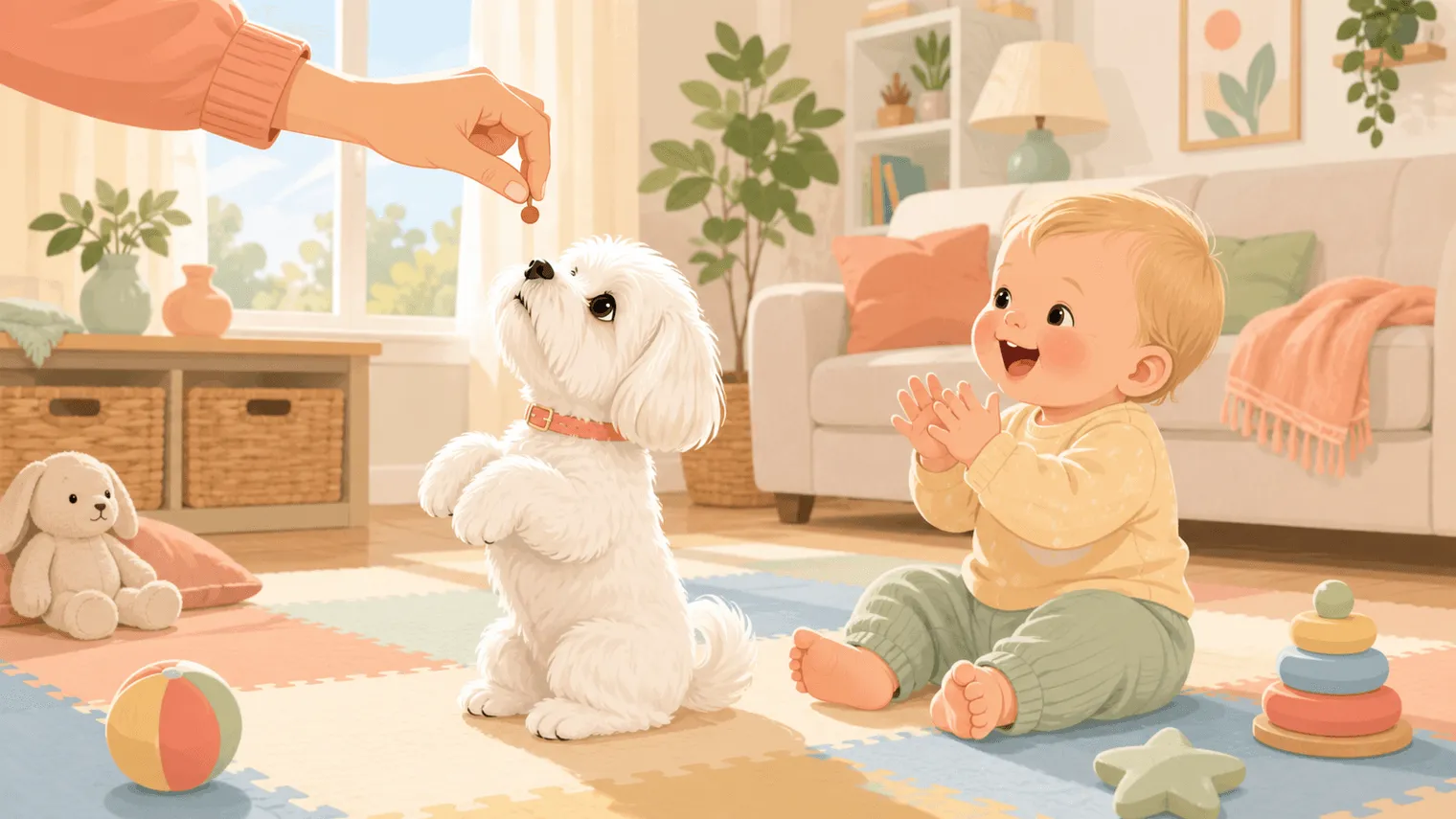
Zuke’s Mini Naturals are the little semi-moist chicken treats that show up in just about every positive-reinforcement trainer’s treat pouch, and the reason is boringly practical: they’re tiny, soft, and cost almost nothing in calories. Each one is about the size of a pencil eraser, tears smaller if you want, and runs roughly 2 calories, which is the whole pitch — you can hand them out by the dozen through a training session without turning dinner into a rounding error. Real chicken is the first ingredient, and per the spec sheet there’s no corn, wheat, or soy.
We haven’t tested this ourselves — this guide is built from the spec sheet and the patterns across thousands of owner reviews. Where owners and the spec sheet disagree, we say so.
The 2-calorie math is the whole point
Most training progress comes from repetition, and repetition means a lot of treats. That’s where a normal biscuit fails you — feed forty of them in a half-hour session and you’ve fed the dog a second dinner. A Mini Natural is built for the opposite. At about 2 calories a piece (the spec sheet lists 2,710 kcal/kg), owners say they can mark and reward a behavior thirty or forty times in a sitting and not think twice about it. They’re also soft and semi-moist, so the dog gulps one and immediately looks back up at you, instead of crunching a hard biscuit and sniffing the floor for crumbs. Fast swallow, fast re-focus — that’s the mechanic trainers care about, and it’s the single reason these outsell fancier treats.
Why a dog-and-baby home is the use case
The stretch right after a baby arrives is exactly when you need to run a lot of quick, low-stakes training reps: go-to-your-mat, a calm sit instead of a jump when someone’s holding the baby, and settling when the baby cries. That’s high-frequency reward work, and a 2-calorie treat is what makes it sustainable without the dog quietly gaining weight through a sleep-deprived month. Being soft matters here too — no hard crumbs, no dust, only a mild chicken smell — which makes them among the tidiest floor-level treats to use around a crawler, versus a crunchy biscuit that shatters into shards a baby will find later.

One honest note for a baby house, though: soft and chicken-scented is precisely what a crawling baby wants to grab and mouth. Keep the bag and any dropped, dime-sized treats out of reach — these are dog treats, not baby food, and a morsel that rolls under the couch during a training session is one to sweep up before the baby finds it. Because they’re soft and semi-moist rather than a hard chew, they carry less of the choking or tooth-fracture concern than big crunchy treats, but the mouthing hazard for a baby is a floor-management thing, not a product flaw.
What owners consistently like
The crowd is remarkably consistent on the strengths. Owners repeatedly call the small, soft size ideal for rapid reps — the dog swallows almost instantly and re-engages. The low calorie count comes up constantly as permission to reward generously without guilt. The strong chicken flavor and scent gets described as a major hit that holds a dog’s attention when you need it, which is half the battle with a distracted or food-motivated dog. Owners also like that you can tear each treat into even smaller pieces for a tiny dog or for very high-frequency marking, and the resealable pouch earns quiet appreciation for keeping the treats fresh between sessions. Add the real-chicken-first recipe and made-in-the-USA sourcing and you’ve got the reasons these became a training staple.
Things to know before you buy
The recurring complaint is freshness, and it’s about consistency rather than any one bag. Owners report that some pouches arrive dry, crumbly, or “hard as rocks” instead of the soft texture they’re paying for. The workaround owners land on: buy from a high-turnover seller, check the pouch as soon as it lands, and exchange a stale bag rather than trying to rescue it. Related, even a good bag dries out within days once opened if it isn’t sealed well, turning brittle and hard to tear. Owners find a well-resealed pouch stays soft for a few weeks, so press all the air out and zip it tight — or decant into an airtight container, and a cool spot or the fridge helps.
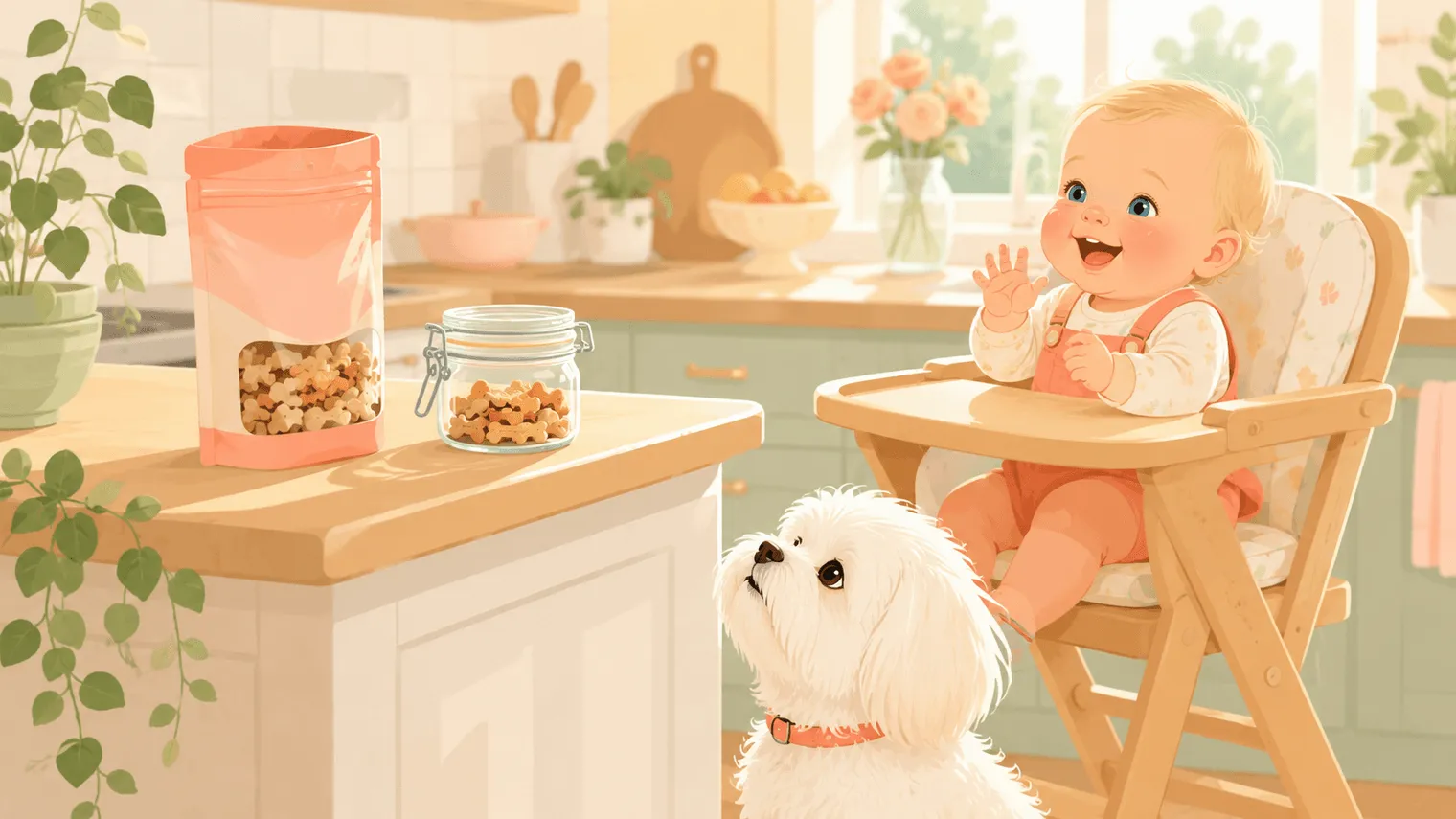
Two more things to set expectations on. Longtime buyers report recipe, size, and texture tweaks over the years, and some feel recent bags run a bit firmer and drier than they remember. Cane sugar is a listed ingredient (it sits around sixth on the label) and a longstanding part of this semi-moist recipe — so treat the current texture as the baseline and judge each bag on arrival rather than against a memory. And per the spec sheet they’re not grain-free: they contain rice and oats, which is fine for most dogs but worth knowing if you’re avoiding grains, in which case Zuke’s steers you to its Puppy Naturals or Tiny Naturals lines instead.
There’s also a bit of history worth stating plainly, because it’s easy to find online and easy to misread. In 2021 Zuke’s ran a voluntary market withdrawal (the company framed it as a voluntary removal, not an FDA recall) of Mini Naturals across all flavors and sizes in the US and Canada, over a product-quality issue where the natural preservation system wasn’t always working as intended, allowing possible mold to develop. Major retailers pulled the product at the time as a precaution, and the treats later returned to market. That’s context, not a current-safety claim — but it does make the “inspect every bag on arrival” habit a sensible one.
Put plainly
If you want a treat built for volume — a lot of tiny, low-calorie rewards for the kind of repetition-heavy training that helps most in a new-baby house — owners are overwhelmingly happy with Zuke’s Mini Naturals, and the 2-calorie math is the reason they’ve stayed a training-pouch default. The trade-off to accept going in is freshness consistency: check the bag when it arrives, reseal it tightly, and keep dropped treats off the floor where a crawler roams. For more of the settle-and-reward toolkit, a snuffle mat or a puzzle toy pairs well with these for the calm, keep-the-dog-busy moments.
At a glance
Zuke's Mini Naturals Training Treats (Chicken Recipe, 16 oz)
What stands out
- Owners love that they're tiny and soft, so a dog swallows one almost instantly and re-focuses fast — ideal for rapid training reps
- About 2 calories each, so owners say they can reward heavily across a long session without overfeeding
- Strong chicken scent keeps dogs motivated, and the resealable pouch plus real-chicken-first recipe (no corn, wheat, or soy) win owners over
Things to know
- The most common complaint is bag-to-bag freshness — some pouches arrive dry or hard rather than soft; inspect on arrival and exchange a stale bag
- Owners report an opened bag dries out within days if not sealed well; press the air out and reseal (or use an airtight container)
- Longtime buyers report recipe and texture tweaks over the years, and per the spec sheet they're not grain-free (they contain rice and oats)
Questions families actually ask
How many calories are in one Zuke's Mini Naturals treat?
About 2 calories each, roughly 2,710 kcal/kg per the spec sheet. That very low count is why owners can reward heavily through a full training session without overfeeding — which is exactly the kind of high-repetition practice a new-baby household leans on.
Are Zuke's Mini Naturals grain-free?
No — per the spec sheet they contain grains such as rice and oats. If you specifically need grain-free from the same brand, owners are pointed toward the Puppy Naturals, Tiny Naturals, or jerky lines instead.
Should I give these to my puppy?
You can, since the regular Mini Naturals are labeled for all life stages, but Zuke's itself steers puppy buyers to its grain-free Puppy Naturals line, which is a bit smaller and adds DHA and EPA. For house-training a puppy around a crawler, the tiny size and low calories are the draw either way.
How many can I give my dog per day?
Zuke's guidance is up to 3 treats per pound of body weight per day, counted within the dog's overall calories. In practice most owners tear them into even smaller pieces for training and stay well under that number.
Why did my bag arrive hard or dried out?
It's a recurring freshness-consistency complaint, not a one-off. Buy from a high-turnover seller, inspect the pouch on arrival, and exchange a stale bag rather than trying to salvage it — then once opened, press out the air and reseal tightly so a good bag doesn't go brittle within days.